5 Facts About Queens’ First Capital in Long Island City
Ever before there was a City Hall or Gracie Mansion imposing its power on Queens, it was Long Island City which served as the seat of power for the borough. So it came as no surprise that when the Greater City of New York was created in 1898, it was Long Island City, mainly due to its population size and industrial importance, which was chosen as the seat of the newly created position of Borough President.
For almost 30 years, beginning in 1870, LIC was an independent community with its own police, volunteer fire department, and political leaders.
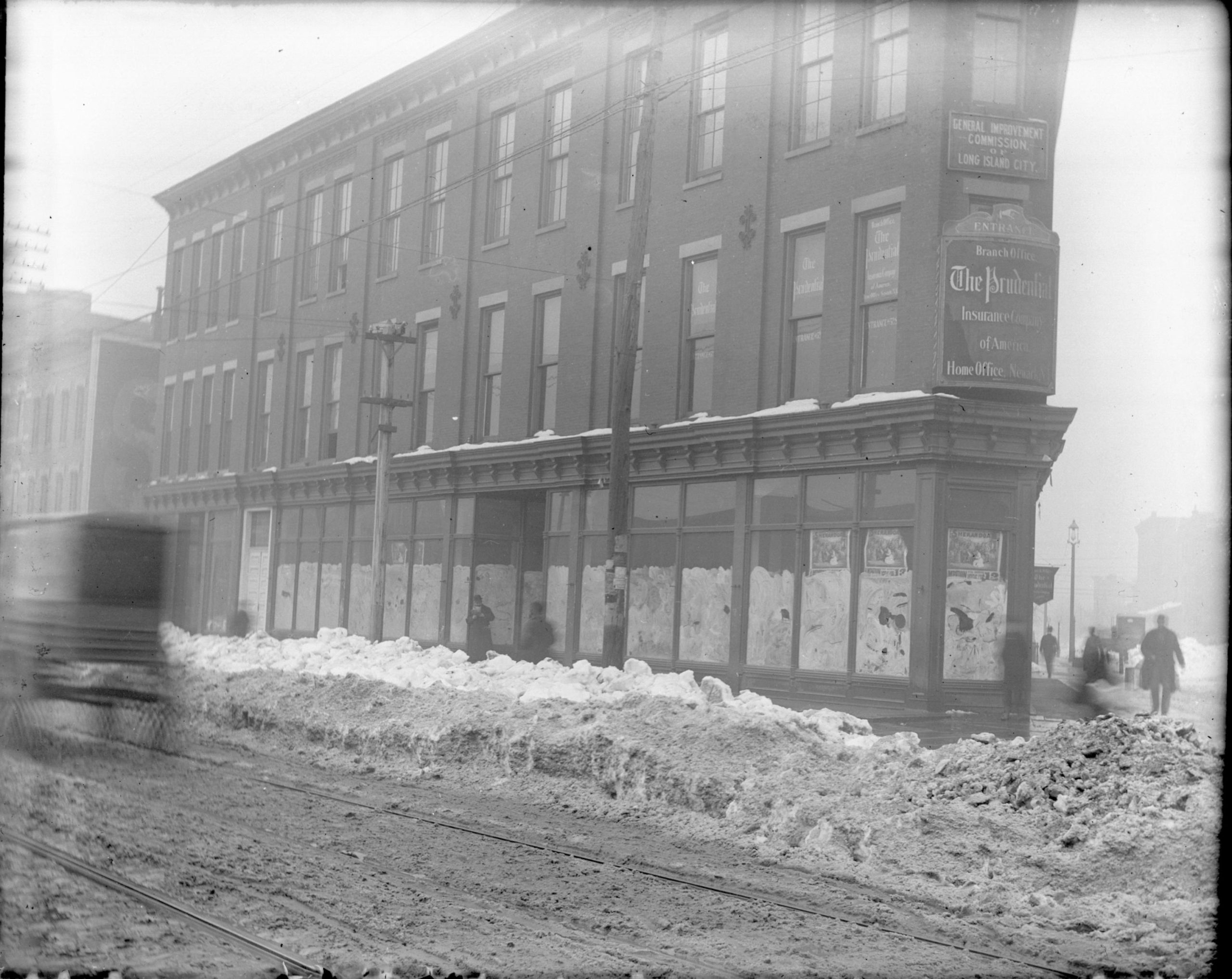
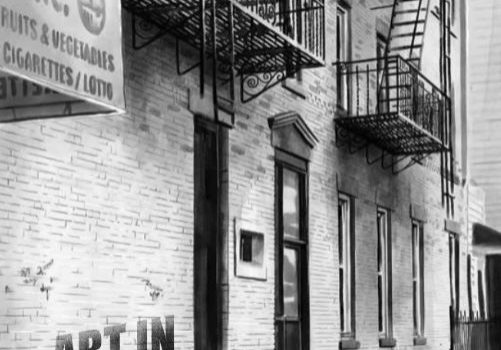
Built in 1885 in the Hunters Point section of Long Island City, the Hackett Building, originally occupied by O. Demarest & Co., dry goods manufacturers, was selected as the first Queens Borough Hall.
That is until May 11, 1896, when NYS Governor Morton signed the consolidation of Greater NYC bill into law. All local town governments across the soon-to-be boroughs of Queens, Brooklyn, the Bronx, Staten Island, and Manhattan would cease to exist on January 1, 1898. The historic vote to consolidate the five boroughs was open to the public and was held on November 6, 1894, and saw all parts of the city vote in favor. One of the only major holdouts was Flushing, which voted 1407 to 1144 against consolidation.
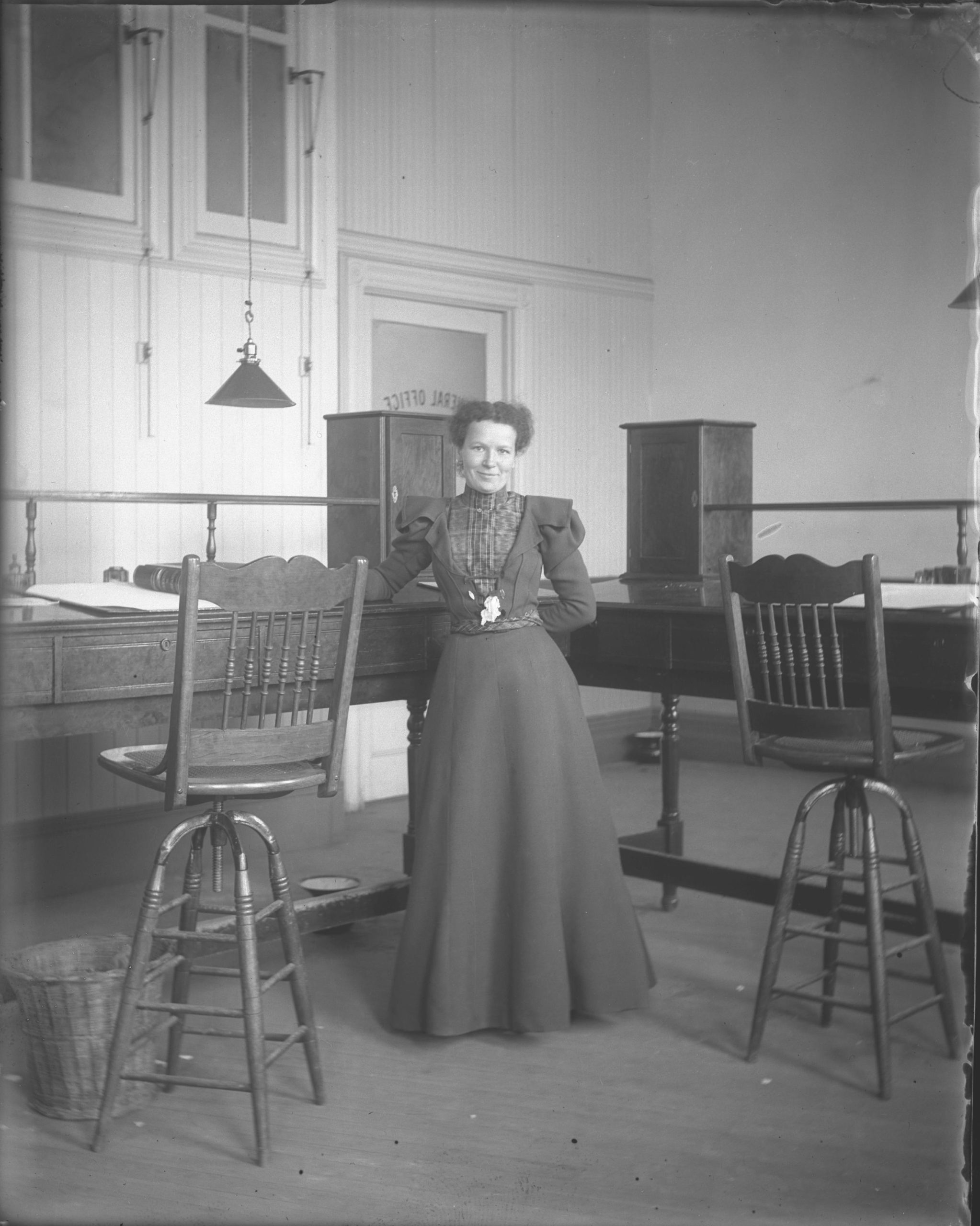
Photo Credit Queens Historical Society
Pictured here is Mrs. Elizabeth Madden, the stenographer for the Department of Highways at Queens Borough Hall. When it was located in the Hackett Building in Long Island City.
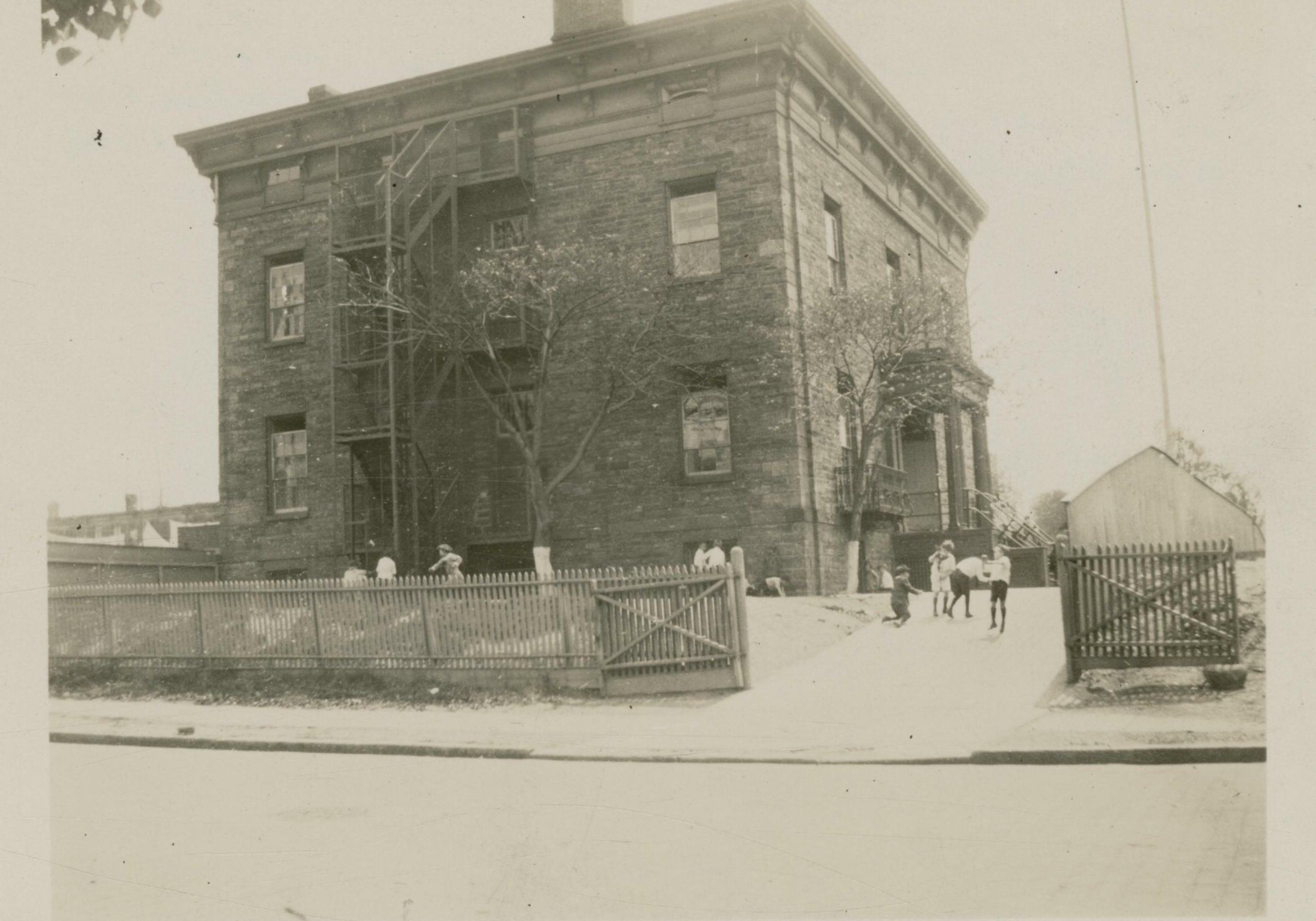
The Hackett Building as it appeared in 1902.
The last mayor of Long Island City was Patrick “Battle Ax” Gleason, who was removed from office when the first borough presidents of Queens, Frederick Bowley and Joseph Cassidy, were elected. Bowley was a German immigrant who first worked as a butcher in LIC in 1887. He entered politics and became an alderman-at-large. Bowley ran on an anti-corruption platform and served only one term. Joseph Cassidy was born in Blissville (border of LIC and Woodside) to a family of greenhouse operators who had their business across from Calvary Cemetery. He became the Democratic nominee for Queens County and was reelected borough president by a landslide in 1902 and served two terms, ending in 1906.
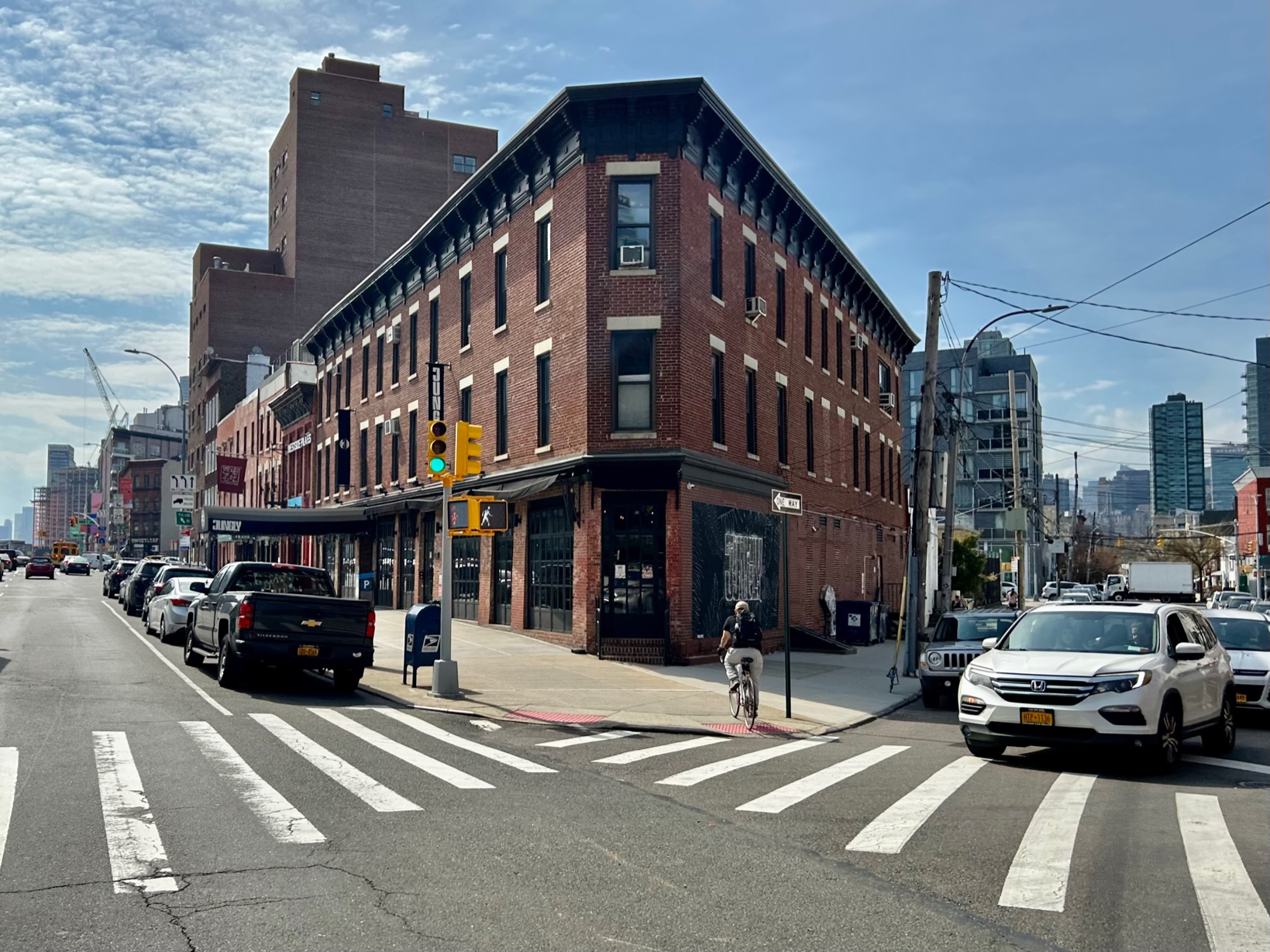
Photo Credit Jason D. Antos
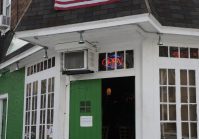
The city chose the three-story red brick Hackett Building on the southwest corner of Jackson Avenue and 49th Street. Built in 1885 in the Hunters Point section of Long Island City, the Hackett Building was originally occupied by O. Demarest & Co., dry goods manufacturers. The building was seen as an attractive location for the Borough Hall simply because it was both large and available. The building also housed the Department of Highways and the Queens Topographical Bureau, which for more than a century has meticulously shaped and reshaped the physical landscape of Queens.
The Hackett Building was slated for demolition in 2006 and then, miraculously, the deal fell through in 2008 just as the first modern-day financial crisis was beginning.
It still stands today.